Tag Archives: mesopotamian pantheon

ENKI – Babylonian Lord of the Earth, Sumerian God EA and Gnostic Demiurge

anunnakisumerianreligionheader

The spirito-mystical trinity that composes the ancient pantheon is concluded with Enki, brother of Enlil. Most genealogies, particularly emphasized by post-Sumerian civilizations, will conclude that Enki and Enlil are, in actuality, half-brothers. Both are divine sons of Anu, the “Sky-Father,” but as heir to “Kingship of Heaven,” En-lil is reported as the son of Antu (the “official” consort of Anu), while Enki is descended from Nammu [which is often equated to Tiamat in Babylonian lore and perhaps the justification of the descent of Marduk from Tiamat in some versions]…

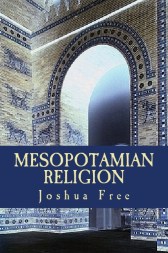
MesopotamianReligionFrontcrop [This mardukite.com blog post is officially excerpted from Mardukite Liber 50, originally released as SUMERIAN RELIGION, with materials also found in the newly released anthology MESOPOTAMIAN RELIGION by Joshua Free. The Mardukite Year-2 Anthology, Gates of the Necronomicon, also contains these materials.]

Other cuneiform texts reveal Enlil as the eldest son of KI and Enki as the son of Antu. These differing lineages play a more significant role in the younger pantheon and later dualistic interpretations, but in the original formation of Sumerian civilization, Enlil and Enki are actually perfect compliments to one another in the division of the material world – Enlil as the ruler of the air and fire aspects, leaving Enki the domains of water and earth.
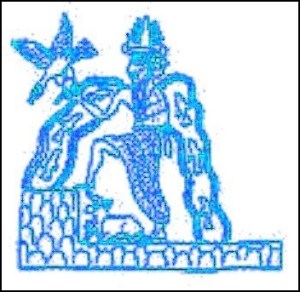
Enki2 As the Sumerian “Enki” form is relayed, the title suggests quite simply that he is “Lord of the Earth” [EN = Lord, KI = earth], later being relayed by the Babylo-Akkadian epitaph “Ea,” likely derived from the Sumerian ideograms for “house” [E] and “water” [A]. This water alignment is suggested further by the titles given to his temple-ziggurat, built in the southern city of Eridu [e-ri-dug – “home of the mighty”] known as both E.ENG-URA (House of Lower Waters) or E.ABZU (House in the Depths).

Where Enlil is given charge over the organization of “space” and the management of the other deities, Enki is given more control over “worldly matters” and carries the designation of forty. In essence, Enlil represents the active spirit that is the manifested world as a whole and why it can exist (separated from the “heavens”). By comparison, Enki represents the more passive elements, but clearly the more “material” ones, and also the spirit of how things exist – their “hidden” internal engineering and atomistic design.

cuneisdgsdg

“Here in Eridu there was a local deity by the name of Ea, and the aspiring theologians of that city, eager to make him the supreme deity of the land, pressed forward the claim for lordship over the earth, and in an effort to insure his claim applied to him the epithet en-ki, ‘Lord of the Earth,’ which then became his Sumerian name. But though Enki, after some centuries, did succeed in displacing Ninhursag [Belit, etc.] and taking third place in the pantheon, he failed to topple Enlil from his supremacy and had to settle and had to settle for second best, becoming an Enlil-banda, a kind of ‘Junior Enlil.’ Like other gods he had to travel to Nippur to obtain Enlil’s blessing after he had built his his temple E’engurra in Eridu; he had to fill the Ekur of Nippur with gifts and possessions so that Enlil might rejoice with him; though he had charge of the Me controlling the cosmos and all civilized life, he had to admit that these were turned over to him by a generous and more powerful Enlil.”
S.N. Kramer, Sumerian Mythology, 1944

The properties and position of Enki as establishing the material basis and infrastructure of civilization was observed most famously in an epic dedicated to the figure “Oannes” as recorded by a Babylonian priest, Berossus, in the 13th Century B.C. In this narrative, Enki is depicted as the “sublime fish god” [fish = scales = reptillian] who rises from his ocean home (or in this case, the Erythian Sea near the Persian Gulf) to teach men the crafts necessary for their developmental arts and sciences to flourish.

For more information on ENKI and the ANUNNAKI, explore the World of the Mardukites today!
2 Comments

Filed under akkadian, ancient near east, assyrian, babylonian, excerpt, excerpt, mardukite, mesopotamian, new babylon, plans & proposals, research development, sumerian, truth seeker press

New Babylon Rising – The Anunnaki & Necronomicon Magick, Sixth Anniversary Summer Solstice Issue

NBRheaderSMALLnotuse

GREETINGS & SALUTATIONS!

Welcome to this Sixth Anniversary Summer Solstice issue of New Babylon Rising, the seventh online eZine installment maintained for a progressive effort in dedication toward preserving the most antiquated literary records and their subsequent human traditions on the planet — primarily those cuneiform — unveiling the ancient mysteries by shinning new light on critical subjects of human avail: the origins and development of human beliefs, internal potentials and external manifestations, especially those ancient “divine” encounters, establishment of artificial social “systems” among the population and, of course, fragmented languages, religions, and the dispersion and corruptions in esoteric or occult knowledge regarding superior spiritual knowledge that engineers the reality we experience everyday and the progression of immortal spirits beyond this realization.

Oh, yes… these are serious waters that we chart.

1001015_318340804969022_2026839541_n –MARDUKIUTE NEWS–

>2014 Mardukite Summer Reading List

>Mardukites Celebrate Joshua Free’s Legacy

–NECRONOMICON NEWS–

>Necronomicon Anunnaki Bible Sixth Edition

NOTE: The Necronomicon Anunnaki Bible Sixth Edition is currently a mardukite.com exclusive available from official links only.

claytabletsheader

Necronomicon Magick – Anunnaki Bible Babylonian StarGate Kabbalah Origins
May 20, 2014 — necrogate.com
The practical means of attracting and working with the primordial energy currents of the NECRONOMICON ANUNNAKI BIBLE is, in some ways, open to interpretation as some prefer to work solely from within their “astral body” to conduct the work, while others find that adding ritualistic ceremonial elements in the physical world to be much more effective for them…
RELATED ARTICLE: Necronomicon Magick – Anunnaki Bible: Ladder of Light & The Astral Body

Babylonian Religon, Secrets of Nabu Tutu and Origins of Hermetic Transcendental Magic
May 30, 2014 — mardukite.com
This is an excerpt from THE BOOK OF NABU, named for he who is found among the “younger pantheon” of Anunnaki ‘gods’ (such as were observed in Babylon and then later in Egypt). NABU is one of the key figures (sometimes spelled NEBO in later Semitic languages) who recorded and maintained the tablets of the Babylonian Tradition– the prophet-son, Mardukite herald and heir of the god of Babylon: MARDUK…

ANU – Sumerian gods, Mesopotamian Religion, Babylonian Pantheon Kingship in Heaven
June 5, 2014 — mardukite.com
The Sumerian tradition made popular in the last century revealed that the Anunnaki pantheon depicted an archetypal “Olympian” pantheon of deities that were originally assigned to twelve positions in the cosmos, later yielding the lore that would give us our “zodiac.”
RELATED ARTICLE: Marduk, Anunnaki god of Babylon, Son of Enki, Father of Nabu in Mardukite Tradition

NecroRev2ndpromobanner

Alien Forces Among Us – Hidden Keys of Necronomicon Anunnaki Bible with Joshua Free
May 26, 2014 — necrogate.com
It would seem that the contemporary New Age community, that is self-proclaimed as “pagan” or “neo-pagan” – “enlightened” or “truth seeking” – too often misses the point of the era shift, for they quickly replace one system for another — one set of defining parametrics for another…
RELATED ARTICLE: Mardukite Necronomicon, New Babylon, NWO and Keys to the Apocalypse for True Aquarian Age

Cthonic Dark Ritual of Hanging Stones – Necronomicon Shadow Rites & Underworld Magick
June 2, 2014 — necrogate.com
So once we have put our foot it in, all that remains is of course to dislodge the Gates. To unleash the mighty forces within and around us – to being back the Anunnaki and let them have their reign on the Earth. And it matters not which names and ideals we attach to this ideal so long as it is maintained in the hearts and thoughts of the dedicated…

Necronomicon Revelations, Unveiling the New Age Anunnaki Occult Conspiracy with Joshua Free
June 8, 2014 — necrogate.com
Four years have passed and while many of the other titles and editions have seen special attention and revision – the Liber R materials remained as they were originally collected, a monumental literary contribution forged from many countless hours spent preparing essays and delivering the lectures meant to ‘close’ the cycle known first as the ‘Mardukite Core’ and now to the world as the ‘Necronomicon Anunnaki Legacy’…

Necronomicon Revelations, Crossing to the Abyss, Nine Gates of the Kingdom of Shadows
June 8, 2014 — necrogate.com
The path of the Mystery Tradition has, up until now, led the seeker along a vast array of “lights” and “images” – up the rungs of a Ladder of Lights as it were – tracing the phantasmal images of the material world back to their Source…
RELATED ARTICLE: Necronomicon vs Delomelanicon, Nine Gates of the Kingdom of Shadows in High Magic with Joshua Free

Necronomicon Traditions, Simon Edition Replaced by Mardukite Age of New Babylon with Joshua Free
June 18, 2014 — necrogate.com
“Those whho cannot remember the past are condemned to repeat it. Only the dead have seen the end of war.”
–George Santayana
Sadly, it is only when manifested art and literary creations are brought out of the “shadows” that it becomes the subject of public scrutiny – in the public – in the realm of the light: where the work does not belong in the first place…

Leave a comment

Filed under akkadian, ancient esoterica, ancient near east, assyrian, babylonian, magick & mysticism, mardukite, mesopotamian, modern occultism, new babylon, new release, plans & proposals, research development, sumerian, truth seeker press

ANU – Sumerian gods, Mesopotamian Religion, Babylonian Pantheon Kingship in Heaven

claytabletsheader

The Sumerian tradition made popular in the last century revealed that the Anunnaki pantheon depicted an archetypal “Olympian” pantheon of deities that were originally assigned to twelve positions in the cosmos, later yielding the lore that would give us our “zodiac.”

MesopotamianReligionFrontcrop This mardukite.com blog post is excerpted from the Liber-50 material first appearing in Sumerian Religion by Joshua Free, in addition to the Sumerian Religion anthology Mesopotamian Religion and the Year-2 anthology Gates of the Necronomicon, materials also appearing in the Year-1+2 mega-anthology Necronomicon Anunnaki Legacy (Silver Edition).

Prior to the Ammonite fascination with the local Sun, best observed among the Egyptians and other solar-cults, it was the more “distant” stars that were deemed the “rulers of fate” and “keepers of the
sacred cycles” that kept the organized universe in order.

The “Ancient Ones” from Sumerian prehistory (Abzu, Tiamat, Lahamu, etc.) are given mention in the literature but are viewed as more insubstantial or metaphysical essences of creation, barely able to be personified as traditional deities. We have shown in correlative chapters how such forces could be seen as the primordial essence of the All-Source being first made manifest, but the Sumerians viewed these essences as originally being made substantial in their own personal “All-Father,” a figure-head for their
hierarchical pantheon.

nec The position of Anu in the Sumerian pantheon is as an undisputed “father in heaven,” who acts as the supreme “progenitor” or “father of the gods” from his place as the “king of the local universe.” The “House of Anu” (the traditional “heaven” or “abode of the gods”) is sometimes written as UR.ANU or “Uranus” (from the Greek “Ouranos”) and his most sacred place of “worship” on earth was in Uruk at the temple of E.ANNA – also translated to mean “House of Anu.” The number of his rank is sixty – the number of cosmic perfection.

Mesopotamian traditions came to view Anu in a similar manner as the abstract Babylonian expression of Ilu, where he became the “Lofty One” or “Supreme God Most High” in the pantheon, a remote, distant and indiscriminate All-Father much more representative of the “Heavenly Father” that Jesus alluded to in the New Testament then that of the Old Testament God of the Hebrew. The solidity of his personification becomes increasingly faint in descending traditions, and though within his power, he rarely intervenes or makes an appearance to the “earth” world of gods and men. His main function in the pantheon is as the “Father” of the gods, who are then mainly left to deal with material universe on their own accord.

cuneisdgsdg Few of the incantation tablets (or “prayers”) invoke the powers of Anu directly. The heavenly force is perceived as too vast to be channeled directly by the successors and to degrade it to anything more accessible would be to compromise the nature of what is represented.

In the Semitic traditions the role of Kingship in Heaven is equated to the full extent of power that keeps the universe in motion, contained in an “unspeakable” and “unknowable” name (termed the “Tetragrammaton” in the modern Hebrew-based mysticism).

It is more common for the Sumerian magician or priest to evoke a subsidiary deity from the pantheon (lineage) to invoke the names known to them rather than pursue methods of Egypto-Hermetic cryptomancy to divine and compel spirits against their will using “true-names.” In the Chaldeo-Babylonian tradition, the names of Enki and Marduk are evoked to speak the names (and later deriving traditions often used them to replace obscure and “secret” names altogether).

“True indeed there was a supreme name which possessed the power of commanding the gods and extracting from them a perfect obedience, but that name remained the inviolable secret of Hea [EA – Enki]. In exceptionally grave cases he [the enchanter] besought Hea, through the mediator Silikmulukhi [Marduk], to pronounce the solemn word in order to re-establish order in the world and restrain [temper] the powers of the abyss. But the enchanter did not know that name, and could not in consequence introduce it into his formulae… he could not obtain or make use of it, he only requested the god who knew it to employ it, without endeavoring to penetrate the terrible secret himself.”
–M. Lenormant, Chaldean Magic & Sorcery, 1874

1 Comment

Filed under akkadian, ancient esoterica, ancient near east, assyrian, babylonian, excerpt, magick & mysticism, mardukite, mesopotamian, modern occultism, new babylon, new release, plans & proposals, prophecies & predictions, research development, sumerian, truth seeker press, youtube

The 2014 Summer Reading List – New Releases from Joshua Free and Mardukite Truth Seeker Press

ContentsTabletJPG

WHAT ARE YOU READING NOW?
WHAT WILL YOU BE READING THIS SUMMER?

This summer marks the sixth anniversary of the release of the ARCANUM materials marking the launch of the Mardukite Ministries and its subsequent publishing outlet, the Mardukite Truth Seeker Press. It is equally a celebration of the fifth anniversary of the Mardukite Chamberlains, also known as the Mardukite Research Organization — and subsequently, its founding and most wide-circulated Year-1 core materials as the NECRONOMICON ANUNNAKI BIBLE, now available in its sixth edition exclusively from mardukite.com, which will kick off our 2014 New Release overview, working from the most recent backwards…


NecroBible6ththumb NECRONOMICON
THE ANUNNAKI BIBLE
Sixth Edition

edited by Joshua Free

Here is the definitive work in its much anticipated 5th Anniversary revised and expanded 6th edition; the primary source book of the Mardukite Chamberlains Research Organization uncovered from their first active year of research and development in 2009! A mardukite.com exclusive!


NecroPBthumb NECRONOMICON
ANUNNAKI BIBLE (COMPACT)
5th Anniversary Edition

edited by Joshua Free

Released in commemoration of the 5th Anniversary of the “Necronomicon Anunnaki Bible”, the Mardukite Truth Seeker Press proudly presents the new abridged compact travel edition of Joshua Free’s “Necronomicon” excerpting the primary source book of the Mardukite Chamberlains Research Organization uncovered during their first active year of development in 2009!


BabylonianMagickCSpbCVRcrop BABYLONIAN MAGICK:
A GRIMOIRE
Rites & Rituals of the Mardukites

edited by Joshua Free

A complete anthology masterpiece of ancient Anunnaki traditions being revived for modern use, featuring the entire “Mardukite Magick” Trilogy, including: “The Book of Marduk”, “The Book of Zagmuk” and “The Book of Gates” – amazing revolutionary underground breakthrough classics from the Mardukite Research Organization all in one volume!


MesopotamianReligionFrontcrop MESOPOTAMIAN RELIGION:
SECRETS OF THE ANUNNAKI
Sumerian Religion I & II

by Joshua Free

A master compilation of mythological and religious exploration into the heart of the ancient Mesopotamian Mysteries, this easy-to-read post-modern anthology illuminates the ancient world using revolutionary teachings and source materials of the modern Mardukite Chamberlains (Mardukite Research Organization) and edited by Joshua Free, the presiding Nabu of the administration since its inception.


MesopotamianThumb MESOPOTAMIAN MAGIC:
MARDUKITE YEAR-3 ANTHOLOGY
Heritage Edition Reissue

by Joshua Free & Khem Juergen

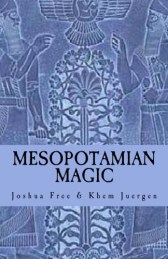
A highly innovative and accessible anthology of the complete “Year-3” research and development of the Mardukite Research Organization including three volumes (“Magan Magic”, “Maqlu Magic” and “Beyond the Ishtar Gate”) in a single incredible compilation! Also available as the Necronomicon Workbook edition!


Chroniclesfrontcrop GATEKEEPERS GUIDE TO THE MATERIALS
CHAMBERLAINS CHRONICLES
2008-2013 Mardukite Memoir

edited by Joshua Free

For the first time ever, encompassing over half of a decade of research and development, the Mardukite Truth Seeker Press is proud to present this special premiere printing of: The Gatekeepers Guide to the Materials & Chamberlains Chronicles: A Modern Mardukite Memoir, New Babylon Rising: Guardians of the Gates (2008-2013 NexGen Legacy Scrapbook Edition) edited by Joshua Free with contributions from the Mardukite Chamberlains. A mardukite.com exclusive edition!


necrognosisTHUM NECRONOMICON GNOSIS
ANUNNAKI LEGACY (GOLD EDITION)
Year-3 & Year-4 Mega-Anthology

edited by Joshua Free

A practical guide to the Sumerian & Babylonian Mardukite System and advanced self-initiation curriculum containing the complete Mardukite Year-3 and Year-4 core literary cycle for modern revival interest with full text from two annual anthologies: “Necronomicon Workbook” and “History of the Necronomicon”. This newly arranged 2013 Gold Edition makes a perfect companion to the year-1 and year-2 anthology “Necronomicon: The Anunnaki Legacy (Silver Edition).”


1 Comment

Filed under akkadian, ancient esoterica, ancient near east, assyrian, babylonian, magick & mysticism, mardukite, mesopotamian, modern occultism, new babylon, new release, research development, sumerian, truth seeker press

Ancient Mesopotamian Religion: Secrets of the Anunnaki in Sumerian Mythology with Joshua Free

claytabletsheader

The most critically acclaimed and bestselling materials from the Mardukite Research Organization now available in one volume!

MesopotamianReligionFrontcrop A master compilation of mythological and religious exploration into the heart of the ancient Mesopotamian Mysteries, this easy-to-read post-modern anthology illuminates the ancient world using revolutionary teachings and source materials of the modern Mardukite Chamberlains (Mardukite Research Organization) and edited by Joshua Free, the presiding Nabu of the administration since its inception…

SumRelSet MESOPOTAMIAN RELIGION is a highly innovative and accessible ‘academic edition’ of the Mardukite Chamberlains “Year-2” research and development, including the complete text from two installments: Sumerian Religion: Secrets of the Anunnaki & The Origins of Babylon (Liber 50) & Sumerian Religion II: Secrets of the Anunnaki in Babylonian Mythology (Liber 51/52) in a single incredible compilation!

The quest toward the uncovering of ancient arts has a fundamental theme in mind: the establishment of true knowledge concerning the powers these arts were dedicated to and then a working relationship with these powers. This is the true “wizard’s” art, who pleases the “gods” in such a way as to attain “favors,” and does not waste time provoking malignant spirits to their circle, fearing for their lives at the mistaken utterance of an incantation. The true and ancient system is nothing like this.
Joshua Free in MESOPOTAMIAN RELIGION

cunei Given what is available in the most ancient writings recovered, we are brought to the traditions and spirito-mystical systems of the Middle East, those born from the ancient Sumerians and alter extended to interpretations by the Chaldeo-Babylonians, Akkadians, Assyrians and even Egyptians. The spread of this tradition across Europe led to even more fanciful and colorful realizations of the primary Olympian mythology that had first been realized in ancient Mesopotamia.

1001015_318340804969022_2026839541_n The ancient Sumerians called this race of “Sky Gods,” the “Anunnaki.” Their legacy and influence on the planet and towards the cultivation of human civiliz-ation is only recently becoming common knowledge within the last few decades. Of course, with this, has also come an increased amount of “fluff” and “bullshit” by many who have caught this wave and either believe they do know something, or else are intentionally misguided to further the misrepresentations that now run rampant in modern spiritual revivals, New Age literature and on the internet.

MesopotamianReligionFrontcrop Given the restricted access to a lot of the source materials available, many in contemporary society are simply uneducated enough, themselves, to properly discern this flood of information. This was, in fact, on the surface level, one of the purposes for the establishment of the modern Mardukite Ministries, far more than to extend covert devotion to a specific deity in the pantheon, Marduk, for which the name was derived.

The Anunnaki beings are in fact the “gods” who made an appearance as “divine representatives” to all of the ancient cultures on the earth planet. What’s more, their presence was later interpreted in the guise of “fairy tales,” which seem to carry remnants of a folk magic tradition from ancient times into to today. Curiously, the “ceremonial magic” of the priests of old, including the self-styled magicians of today, are really working with these same forces, simply under other guises and names. Given this to be the case, the proper understanding of and establishment of our position with these beings, as part of the greater whole, is perhaps the most paramount endeavor of our physical existence.
Joshua Free in MESOPOTAMIAN RELIGION

2 Comments

Filed under akkadian, ancient esoterica, ancient near east, assyrian, babylonian, excerpt, magick & mysticism, mardukite, mesopotamian, modern occultism, new babylon, new release, plans & proposals, research development, sumerian, truth seeker press, Uncategorized, youtube

Mardukite Zagmuk — Babylonian Akitu Akiti Spring Equinox New Year Festival

zagmuk

The Babylonian observation of the annual (solar) year starts with the ‘Mardukite’ observation of ‘zagmuk’ – meaning ‘the beginning of the year’ or ‘new year’. This 12-day festival is fixed to arrange its height at the beginning of the month of Nissanu, the ‘Spring Equinox’ or March 21st, also coinciding with the beginning of the astrological wheel, when the sun enters Aries.

BoZceremonialthumb [This mardukite.com blog officially excerpted from Liber Z, available as the full-color ceremonial The Book of Zagmuk edition or within the Mardukite Magick anthology, based on the article first appearing in New Babylon Rising.]

The ZAGMUK festival is significant for its contributions toward solidifying both the religious and political paradigms of Mardukite Babylon. The festival is also known by its Sumerian-derived Akkadian name – A.KI.TI (or A.KI.TU) – meaning ‘On Earth, Life.‘ This large public festival observance is a reconfirmation of the supremacy of MARDUK and the Babylonian Pantheon and is the single most important ancient ‘holiday’ for the tradition.

zagakitu

After the time of gods had come and gone, the priests and kings continued to observe the ceremonial customs using representative statuary to symbolized the ‘divine’ forms of MARDUK and NABU as they make a procession through the streets of Babylon and are placed in the temples to witness a dramatic reenactment of the Enuma Elis and other rites and rituals that commemorate the ‘Mardukite’ tradition (paradigm) and seal the position of the priests and king as the ‘chosen’ ambassadors and intermediaries between the ‘gods’ of heaven and the people of earth.

mardukitemgkthumbb Although the materials have been put forth prior in the Mardukite cycle, this ceremonial edition of The Book of Zagmuk (compiled from these other sources) is provided for the benefit of the modern movement and for posterity – specifically the preservation of this tradition; which is paramount to the continued efforts of the Mardukite Chamberlains (Mardukite Research Organization).

Most scholars recognize only ‘agricultural’ and not necessarily the ‘political’ and ‘mystical’ purpose of the observation, which begins twelve days before crops begin to be planted, apparently the fourth day of the month named Nissanu. Others suggest that the month itself began with the festival, or that the observation was astronomical, matching the exact time the sun enters Aries, which would differ from year to year given precession. Traditional astrology does not take this into account and is plotted based on the ‘snapshot’ taken of the heavens during the Age of Aries.

newbabylonissue3coverthumb Each of the twelve festival days begins at dawn. The ‘high priest’ of the Temple of Marduk – The ESAGILA or ‘House of Marduk‘ – goes and prepares the temple and ceremonial areas prior to dawn, then makes a ‘general invocation’ to Marduk at dawn, before the image of the god in his shrine…

The Book of Zagmuk by Nabu is a specially prepared ceremonial text and selected ‘tablet collections’ that combine materials from the 2011 handbook “Mardukite Wizards of the Wastelands” in conjunction with critical excerpts from Joshua Free’s ‘Necronomicon Anunnaki Bible‘ and essentially comprising the internal methods of the ‘Order of Nabu-Tutu’ to establish Mardukitereligious‘ continuity and the royal legitimacy of MARDUK at the apex of the Babylonian Pantheon using the Babylonian New Year Festival, Akitu (Akiti) or Zagmuk, reviving the same process used by ancient priests of the Sumerian Anunnaki in Mesopotamia!

1 Comment

Filed under akkadian, ancient esoterica, ancient near east, assyrian, babylonian, excerpt, magick & mysticism, mardukite, mesopotamian, modern occultism, new babylon, new release, nexgen, plans & proposals, research development, sumerian, truth seeker press, youtube

Sumerians, Sargon, Akkadian Babylonians & Ancient Mesopotamian Kings with Joshua Free

SumerianReligion2cropSince Marduk created me to be king and
Nabu has culled his people to my realm
– as the love I have for my own life,
so do I feel toward the building
and reign of their cities.

~ Nebuchadnezzar II
Mardukite Tablet-L Series,
Necronomicon Anunnaki Bible (trans.)

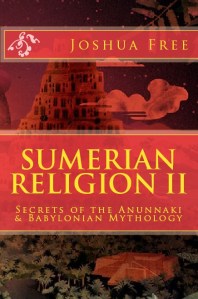
[This mardukite.com blog officially excerpted from the recent Mardukite Truth Seeker Press release by Joshua Free: Sumerian Religion II: Secrets of the Anunnaki & Babylonian Mythology.]

Babylon2 The Akkadian Dynasty of Sargon began in northern Mesopotamia – in the land of Akkad. Although their territory and influence was of only tribal significance during the early rise of the Sumerians proper, but when Sargon of Akkad used his military to unify the “two lands” of Mesopotamia, he established the first post-Sumerian unified kingdom empire in the world – indeed, for the first time, the lands of Akkad and Sumer were governed from a single capital: Sargon’s city of Agade (the city of Akkad in the land of Akkad, like Babylon in Babylonia or New York, New York), a city named for the word “unity” in Akkadian language.

AKKADIAN — as a culture and language — evolves alongside, but separate, from the southern Sumerians. It is fortunate, however, that they were participants in the same archetypal Anunnaki tradition.

SumerianReligion2crop The Akkadian people established a unique proto-Semitic culture and language distinctly, but shared the Sumerian dedication to the Anunnakipantheon” in addition to using cuneiform ‘wedge-styled’ writing – or at least a refinement of the same – to represent their own language – the Akkadian language – which replaced the Sumerian emegir mother-tongue, then made way for the continuation of other Semitic languages, like Hebrew, Canaanite, Phoenician, Arabic and Aramaic.

An assimilation of many pre-Babylonian (Sumerian) ‘programs’ and Enlilite ‘operations’ allowed for the refinement into post-Sumerian or “Mardukite” ideologies during the energetic change and power-shift as human civilization enters an astrological Age of Aries in c. 2160 B.C.

cunei The post-Sumerian Babylonian-Akkadian literary tradition shifts its emphasis from Enlilite World Order to MARDUK and the Mardukite Legacy and replaces the old paradigm altogether. The identities of the Supernal Trinity (ANU, ENLIL and ENKI) in addition to the Anunnaki pantheon and already established elements remain, but the emphasis is now on the ‘younger generation’ of Anunnaki represented in BABYLON.

ANU – the distant “Father” in heaven who birthed/commanded the Anunnaki gods visiting earth.

ENLIL – the local “Father” in the sky who cultivated the original establishment of Anunnaki gods of earth.

ENKI – the patron “Father” on earth who maintains the Anunnaki systems and programs of existence.

SumerianReligion2crop In the much anticipated follow-up to “Sumerian Religion: Secrets of the Anunnaki & The Origins of Babylon” (Liber 50), Joshua Free, a world renown authority on the Anunnaki, completes his presentation of this topic as the modern world has never before had access to, developed from the revolutionary work conducted by the next generation of Seekers actively using a revival Anunnaki tradition drawn from the ancient cuneiform tablets of the Sumerians and Babylonians in the present day.

“Sumerian Religion II: Secrets of the Anunnaki in Babylonian Mythology” is not merely another dry academic rendering of obscure history; Sumerian Religion II will continue your progressive journey into the heart of Mesopotamian Mysteries that is just as relevant and critical today as it was thousands of years ago! Sumerian Religion II is the perfect practical companion to the study and practice of any and all systems as it displays the prehistoric origins of human traditions and the development of civilization on the planet, a fundamental truth that everyone can benefit from…

2 Comments

Filed under akkadian, ancient esoterica, ancient near east, assyrian, babylonian, excerpt, mardukite, mesopotamian, new babylon, new release, research development, sumerian, truth seeker press